
Loading...
Serving National City, CA and surrounding areas. (858) 599-0508
You want a solid outdoor deck without paying composite prices. Pressure-treated wood, built right - with coastal-rated hardware and a proper permit - lasts decades in National City and gives you a real return on what you spend.
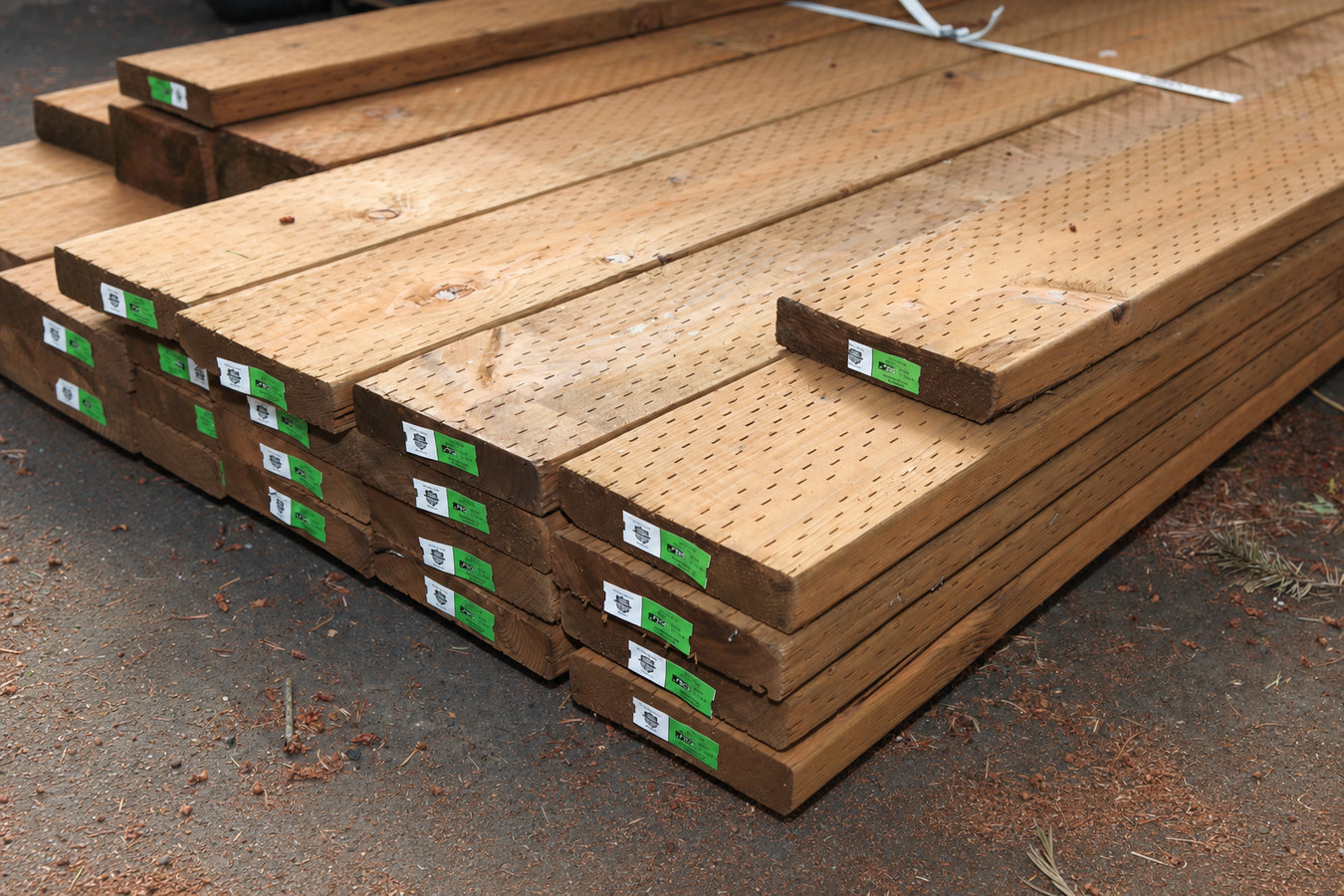
Pressure-treated wood deck construction in National City means setting posts and footings, attaching a ledger to your house, framing the deck structure, and laying the decking boards - most standard jobs taking two to five days of active construction after permits are approved. Pressure-treated lumber is the most common choice for outdoor decks because the preservative treatment is forced deep into the wood fibers, making it resistant to rot, fungal decay, and insect damage.
Homeowners in National City choose pressure-treated construction when they want a real wood deck at a more accessible material cost than composite options. The tradeoff is maintenance - pressure-treated decks need periodic cleaning and sealing to perform well over the long term, especially near the coast. If low-maintenance is the priority, our deck staining and sealing service can keep a wood deck in good shape and extend its life considerably.
Every project we build goes through the full City of National City permit process, with a framing inspection and a final sign-off before we consider the work done. No shortcuts, no unpermitted structures that create problems when you sell.
If you walk across your existing deck and spots feel soft, springy, or give slightly under your weight, the wood is rotting from the inside out. In National City's coastal air, moisture-driven decay progresses faster than homeowners expect. A soft board is not cosmetic - it can eventually give way under weight, which is a safety risk.
Orange or brown streaks radiating from screw or nail heads mean the hardware holding your deck together is corroding. This is common on older decks near San Diego Bay, where salt air accelerates rust on hardware that was not rated for coastal conditions. Corroded fasteners lose holding strength even when the boards above still look fine.
If your backyard is underused because there is nowhere comfortable to sit or gather outside, a deck would directly change how you use your home. National City's mild year-round climate means a well-built deck gets used almost every month - it is not a seasonal luxury the way it would be in colder parts of the country.
A railing or post that moves when you lean on it is a structural warning, not just an annoyance. Posts that have lost their footing connection or railings pulled away from the frame can fail suddenly, especially when children or guests are on the deck. This kind of movement usually means replacement, not patching.
We build ground-level decks, elevated decks, decks with stairs and railings, and decks that incorporate multiple sections or angles. The structural frame is built with posts, beams, and joists sized to the load and deck height, using hardware specifically rated for coastal conditions - hot-dipped galvanized or stainless fasteners and connectors that resist corrosion near the bay. Decking boards are laid with consistent gaps for drainage, and railings are installed to meet current height and spacing requirements where elevation requires them. For homeowners who want the natural wood look but with less ongoing maintenance, pairing a new deck with our cedar wood deck construction option is worth comparing - cedar is naturally more rot-resistant than pressure-treated pine and often takes stain more evenly.
Every project includes full permit management with the City of National City - we prepare the drawings, submit the application, coordinate with the inspector, and provide you with the permit paperwork at closeout. An unpermitted deck can create real problems at a future home sale, and we do not cut that corner.
Ideal for flat or gently sloped yards where a low platform deck connects the interior to the backyard without requiring elevated framing.
Best for homes where the back door is above grade - requires a ledger connection to the house and a full permit and framing inspection.
For any deck elevated more than 30 inches above the ground, California standards require railings - we design and build compliant rail systems as part of the project.
National City's location near San Diego Bay means salt air is a real factor in every outdoor build. Standard hardware - the kind most national contractors default to - corrodes faster in coastal conditions than homeowners realize. Within a few years, standard screws and connectors can rust enough to lose holding strength, even when the deck surface looks fine. Specifying coastal-rated hardware on every project is not a premium upsell here - it is the baseline for building something that lasts. Homeowners in communities like Spring Valley and La Mesa deal with similar outdoor building conditions and benefit from the same hardware standards.
National City's housing stock also shapes how we approach each project. A large share of homes here were built between the 1940s and 1970s, and attaching a new deck to older framing without evaluating the attachment point first is how preventable problems get buried behind new wood. We inspect the ledger connection area on every project before finalizing the scope of work, so there are no mid-project surprises about what the house framing actually looks like. The North American Deck and Railing Association publishes deck safety and construction standards that inform how we approach structural connections and inspection readiness.
Call or submit a form - we respond within one business day. Most contractors cannot give a reliable price without seeing the site first, so we schedule a free on-site visit to measure your yard, check the house attachment point, and understand what you are looking to build.
After the site visit you receive a written proposal covering what is included and what it costs. Once you sign, we prepare permit drawings and submit the application to National City's Building and Safety Division. Plan on two to six weeks for city review - we manage this process completely.
The crew sets post footings, attaches the ledger, frames the deck structure, and installs decking boards and railings. A city inspector checks the structural framing before the decking goes down - a step that confirms the hidden parts of your deck are built correctly.
After the final city inspection passes, we walk you through the finished deck and hand over permit paperwork. We also explain the maintenance steps - particularly when to apply the first sealer, which new pressure-treated wood needs to dry out before accepting.
Free on-site estimate. Full permit management. No mid-project surprises.
(858) 599-0508We use hot-dipped galvanized or stainless fasteners and structural connectors rated for coastal environments, not standard interior hardware. In salt-air conditions near the bay, this detail directly determines how long the structural connections stay secure - standard hardware simply does not last in this environment.
We handle the full permit process with the City of National City - drawings, application submission, and inspection coordination. Every deck we build has a permit on file, which means no risk of removal orders or code violations showing up during a future home sale.
Many National City homes were built in the 1950s through 1970s. We inspect the house framing at the attachment point before finalizing the project scope. If older framing needs to be addressed first, you hear about it before you sign a contract - not after the crew is already on-site.
Every inquiry we receive gets a response within one business day. We know that a slow response often means a contractor is overextended. When we take on your project, you have a team that shows up when they say they will and keeps you informed throughout.
A pressure-treated deck built with the right hardware and a proper permit is a 25-to-40-year investment in your home. The details that are invisible after the deck is finished - the fastener grades, the ledger flashing, the footing depth - are what determine whether that investment pays off. Check any California contractor's license status at any time through the California Contractors State License Board.
Naturally rot-resistant and takes stain evenly - a real-wood alternative to pressure-treated pine for homeowners who want a finer wood appearance.
Learn MoreRegular staining and sealing is what keeps a pressure-treated deck performing well over the long term - schedule maintenance before the next rainy season.
Learn MoreLumber prices fluctuate - getting your quote now locks in current material pricing before costs move again.